

Why Levi’s Is Loved Worldwide
When you think of denim, Levi’s is likely the first name that comes to mind and for good reason. Levi’s popularity has soared across generations, continents, and cultures, evolving from humble workwear to a global fashion icon. From the 1870s gold rush miners to today’s trendsetters and eco-conscious youth, Levi’s jeans have remained a symbol of style, self-expression, and authenticity. From the gold rush miners of the 1870s to today’s runway models, streetwear fans, and eco-conscious Gen Z shoppers, Levi’s jeans have managed to rise above fleeting trends and the passage of time. They don’t just hug your body; they resonate with your lifestyle, your identity, and your personal story.
So, how did this century-old denim brand transform from a basic workwear label into a worldwide cultural icon? The tale of Levi’s isn’t just about fashion triumph; it’s a brilliant lesson in reinvention, emotional branding, craftsmanship, and cultural significance.
And here’s the exciting part: you can snag your favorite Levi’s styles at a discount! Be sure to check out the latest Levi’s coupons and exclusive deals from 99CashDeals to elevate your denim collection without emptying your wallet.
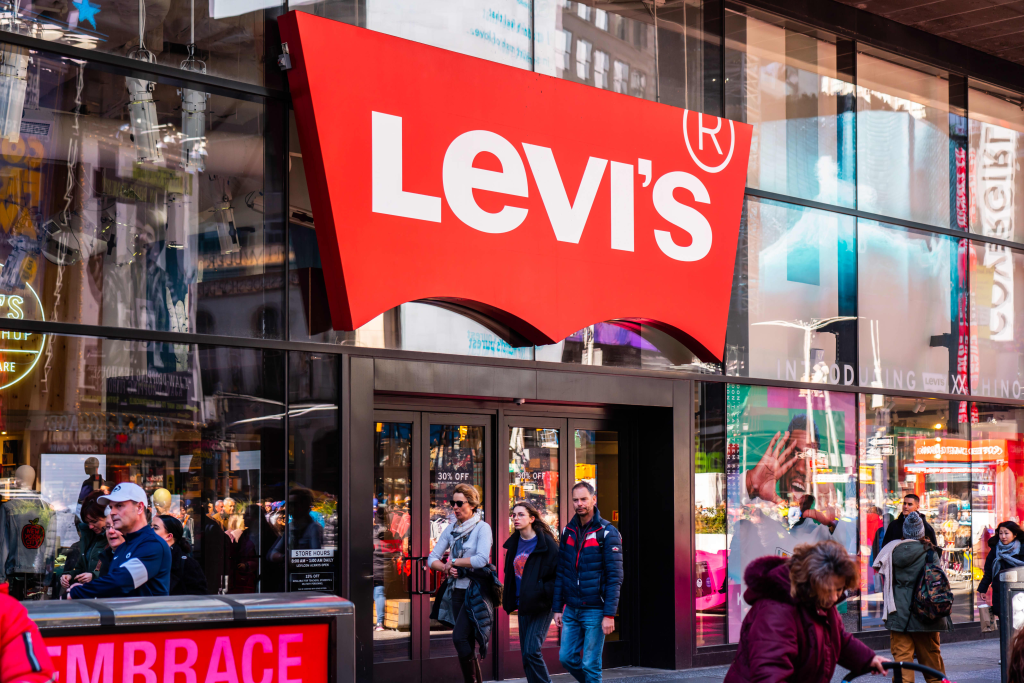
Top Reasons Behind Levi’s Popularity Worldwide
Levi’s didn’t rise to global fame by chance its enduring popularity is the result of bold innovation, cultural influence, and an unwavering commitment to quality.
1. A Groundbreaking Invention: The Birth of Blue Jeans
The story of Levi’s kicks off in the rugged backdrop of the California Gold Rush. Back in 1853, Levi Strauss made his way to San Francisco not to strike it rich in gold, but to supply sturdy goods to those who were. Partnering with tailor Jacob Davis, he tackled a genuine need: clothing that could handle the tough life in the mines. Together, they crafted the first-ever riveted denim trousers in 1873, which would later be celebrated as blue jeans. These pants were a game-changer: tough, functional, and designed to last. With copper rivets reinforcing stress points and heavy-duty thread stitching, they stood out from everything else available. This wasn’t just about launching a new product; it was the birth of a whole new clothing category. Back then, Levi’s weren’t about making a fashion statement; they were essential gear for hardworking folks. And that commitment to practical design still defines the brand today.
2. Function First: Workwear That Delivered
Long before they became a fashion staple, Levi’s jeans had a straightforward, powerful mission: to get the job done. The early Levi’s were the go-to choice for miners, cowboys, railroad workers, and laborers, people who prioritized strength over style. They became a must-have because they truly delivered. The 501 style, one of Levi’s most legendary fits, emerged during this time and quickly gained a reputation for its durability and practicality. Crafted from heavy denim, featuring a button-fly design and reinforced seams, the 501 was made to withstand even the toughest working conditions. For those early wearers, Levi’s jeans weren’t about following trends; they were about reliability. That trustworthiness laid the groundwork for a brand built
3. Hollywood Made Them Cool
Then came the 1950s, and everything changed. When James Dean brooded on screen in Rebel Without a Cause and Marlon Brando swaggered onto the silver screen in The Wild One, both rocking Levi’s jeans, the way people viewed denim transformed overnight. No longer just a practical choice, Levi’s became synonymous with coolness, a badge of rebellion, youth, and raw emotion. The trousers once worn by workers evolved into a cultural phenomenon, embraced by teenagers eager to stand out, challenge authority, and carve out their own identities. As American cinema gained global traction, Levi’s jeans traveled far beyond U.S. borders, riding the wave of cool that these stars embodied. They morphed into a uniform not just for factory workers but also for rock ‘n’ roll musicians, greasers, beatniks, and eventually skaters, punks, and grunge kids. From the mines to the movies, Levi’s made that leap and never looked back. This cinematic shift played a huge role in skyrocketing Levi’s popularity among rebellious youth across the globe.
4. A Symbol of Counterculture and Freedom
Back in the 1960s and 70s, Levi’s jeans transformed from mere clothing into a powerful statement. Amidst the civil rights movements, anti-war protests, and waves of feminism sweeping the globe, Levi’s were right there in the thick of it. Activists donned them on the streets, artists flaunted them onstage, and college students lived in them during sit-ins and teach-ins. The brand’s rugged simplicity and rebellious spirit made it the go-to choice for the counterculture generation. Whether at peace rallies in San Francisco, iconic music festivals like Woodstock, or political marches across Europe, Levi’s jeans became symbols of resistance, unity, and the power of self-expression. Moments like these solidified Levi’s popularity as more than just fashion it became a voice for freedom. They weren’t just jeans anymorethey were like a second skin for those challenging the status quo and fighting for freedom.
5. How Branding Fueled Levi’s Popularity
What truly makes Levi’s a household name isn’t just the jeans themselves, but the stories woven around them. Rather than just selling fabric and thread, Levi’s offers a feeling of freedom, originality, and grit. Campaigns like “Go Forth” encouraged wearers to forge their paths, while “Live in Levi’s” turned everyday moments into something cinematic. Their advertisements didn’t feature flawless models striking perfect poses; instead, they showcased real people living, loving, breaking the rules, and chasing their dreams in Levi’s. This kind of emotional storytelling struck a chord. Emotive campaigns and lifestyle-driven messaging played a pivotal role in building Levi’s popularity around the world. Customers didn’t just see jeans, they saw reflections of themselves or the people they aspired to be. This deep emotional connection fostered a bond that goes far beyond mere product loyalty, making Levi’s a brand that resonates with memories, milestones, and meaningful moments.
6. Global Expansion with Local Relevance
Levi’s journey into international markets was more than just moving products around the globe; it was about connecting with people on a deeper level. The brand recognized that cultural and stylistic preferences vary widely, so as it ventured into new territories, it made sure to adapt. But rather than watering down its identity, Levi’s chose to amplify local voices. In India, they embraced vibrant colors and the spirit of youth. In Japan, they paid tribute to precision and craftsmanship. Over in Europe, they tapped into vintage vibes and streetwear roots. The outcome? A brand that felt right at home, no matter where you found yourself. Tailored marketing and respect for local culture further boosted Levi’s popularity in diverse regions. With regional campaigns, cultural partnerships, and pop-up shops, Levi’s managed to achieve a global presence while keeping things personal. That unique blend of being both iconic and approachable is a rare feat, and Levi’s pulls it off with finesse.
7. Sustainability and Responsibility
In an era where fashion contributes significantly to pollution, Levi’s is stepping up to rewrite that story. Their Water<Less technology, which cuts down on water use during denim finishing, has saved over 4 billion liters of water so far. With ethical choices front and center, Levi’s popularity has surged among younger, environmentally aware consumers. Levi’s also encourages folks to wash their jeans less frequently, promoting a more mindful approach to consumption. But it doesn’t stop there; they’ve invested in denim recycling initiatives, turning old jeans into insulation and other practical materials. They’ve rolled out collections made from organic cotton and TENCEL™ fibers, and they’re committed to improving labor practices throughout their supply chain. By prioritizing action and transparency, Levi’s is winning over a new generation that values the planet just as much as they do style.
8. Game-Changing Collaborations
Not many heritage brands can keep up with the fast-paced world of modern fashion, but Levi’s has consistently proven it can do just that through clever and unexpected collaborations. Whether it’s joining forces with streetwear powerhouses like Supreme or high-fashion icons like Valentino, Levi’s knows how to harness the magic of creative partnerships. These bold partnerships have played a major part in sustaining Levi’s popularity across fashion-forward communities. These limited-edition drops create excitement, spark viral conversations, and attract a fresh, younger audience eager for something exclusive. Collaborations with artists, musicians, and global influencers have also kept Levi’s firmly in the cultural spotlight. Yet, through all these partnerships, Levi’s remains true to its roots. Each collaboration enriches Levi’s narrative rather than detracting from it. That’s the brilliance of staying relevant without losing its essence.
9. Digital Savvy and E-Commerce Growth
While some traditional brands find it tough to navigate the digital landscape, Levi’s has jumped in with both feet. They rolled out a sleek, user-friendly website and made sure it’s optimized for mobile shopping, essential in today’s e-commerce world. But they didn’t just focus on making it functional. Levi’s also introduced virtual try-ons, fit guides, and personalized style suggestions powered by AI. Their social media presence, spanning Instagram, YouTube, and TikTok, showcases real people rocking real Levi’s, making the brand feel relatable and up-to-date. Influencer campaigns shine a light on diverse voices and stories, giving Levi’s a cultural edge in a rapidly evolving digital space. Plus, they’ve transformed retail stores into omnichannel hubs, allowing customers to order online and pick up in-store or enjoy personalized tailoring experiences. This blend of heritage and digital savvy has enabled Levi’s to flourish in an increasingly online-first economy. Levi’s seamless blend of tradition and tech has only reinforced Levi’s popularity in today’s fast-moving digital landscape.
10. Timeless Style That Never Fades
Some trends shine bright and then fade away in just a few months, but Levi’s has shown that it’s here to stay. Their jeans aren’t just fashionable; they’re truly timeless. The 501 Original, with its classic straight-leg cut and button fly, remains as relevant today as it was back in 1873. Yet, Levi’s hasn’t just relied on its rich history. They’ve continuously updated their fit options, ranging from skinny, tapered, relaxed, and high-rise styles while keeping that signature Levi’s vibe intact. Whether you throw on a leather jacket or a breezy linen shirt, Levi’s jeans seamlessly fit into any look. They’re sported by everyone, from Hollywood stars and fashion icons to students, parents, and professionals. In a closet filled with fleeting trends, Levi’s stands out by offering something truly special: a reliable piece that works for anyone, regardless of age, gender, or personal style. That’s not just fashion; that’s a legacy.
Then vs. Now: The Evolution of a Levi’s Pair
Imagine holding a pair of Levi’s from the 1880s in one hand and a modern pair from the 2020s in the other. At first glance, they might look like distant relatives separated by time, trends, and technology. But take a closer look, and you’ll discover a strong connection of craftsmanship, utility, and timeless style.
The Fit
Back in the late 19th century, Levi’s jeans were all about practicality. They had a high rise, a boxy straight-leg cut, and suspender buttons since belts weren’t a thing back then. These jeans were roomy, durable, and designed for laborers who needed to move freely.
Fast-forward to today, and the variety of fits has exploded. From the classic 501 Originals that keep that straight leg vibe, to skinny, tapered, bootcut, relaxed, and high-rise options, modern Levi’s cater to every body type and personal style. Nowadays, fit isn’t just about function it’s a way to express yourself.
The Fabric
The original Levi’s were crafted from selvedge denim, woven on narrow shuttle looms with a tightly packed grain. It was stiff and raw, meant to soften only through heavy wear. That unwashed, shrink-to-fit denim would eventually conform to the wearer’s body, like armor shaped by time.
Today, while modern Levi’s still offer raw denim for the purists, most pairs come with innovations like stretch denim, TENCEL™ blends, and sustainable cotton alternatives. The result? Greater comfort right from the start, without losing that classic look and feel.
The Wash
Back in the 1880s, there was no such thing as a “wash”; you got your jeans stiff and dark. That deep indigo color would fade naturally over time, telling a story with every crease and scuff.
Now, Levi’s has an entire rainbow of colors: stone-washed, acid-washed, vintage-faded, distressed, rinsed black, white, grey, and more. Techniques like laser finishing and ozone washing help reduce environmental impact while giving you that worn-in look straight off the rack.
The Details
It’s pretty surprising, but a lot of the details have stayed the same, and that’s exactly what fans appreciate.
- Copper rivets? Yep, still there, reinforcing those stress points
- Button-fly on the 501s? Still a classic.
- Two-horse leather patch? Still sharing the story of strength.
- The Red Tab? First introduced in 1936, it’s still a badge of originality and authenticity.
These consistent design elements are what make Levi’s instantly recognizable, no matter the decade. They’re not just branding; they’re a connection across generations.
The Purpose
Back in the day, Levi’s jeans were crafted for miners, ranchers, and railroad workers people who needed dependable gear that wouldn’t let them down. Today, they’re worn by students, designers, musicians, CEOs, activists, and everyday folks. The context may have changed, but the core purpose remains the same: to empower those who wear them.
Today’s Levi’s are arguably more versatile than ever. A single pair can transition from a creative meeting to a bike ride to a night out, all while carrying the legacy of something built to last.
From the goldfields of the 1880s to the bustling streets of the 2020s, Levi’s has navigated through time by evolving where it matters and staying true where it counts. The brand has embraced technology, sustainability, and forward-thinking fashion, yet it has never lost sight of its roots. That’s what makes a pair of Levi’s so much more than just clothing; it’s a piece of history you can wear. This evolution balancing consistency with change is central to Levi’s popularity across decades.
Debunking Myths Around Levi’s Popularity
For a product that’s been around for over 150 years, denim has gathered its fair share of myths, and Levi’s, being the original blue jean brand, has heard them all. From laundry habits to who wears them, many misconceptions still float around. Let’s clear the air and bust some of the most common denim myths, one rivet at a time.
Myth #1: “You have to wash your jeans every week.”
Busted: Levi’s recommends against washing your jeans too frequently, especially if you want them to last and keep their unique character. Washing them too often can lead to faded colors, worn-out fibers, and a loss of those personalized wear patterns that make your denim truly yours.
Instead, Levi’s suggests spot cleaning when necessary, letting them air out, and only washing after 10 to 12 wears (or even longer). For those who love raw denim, some enthusiasts go months without a wash to maintain that rich indigo hue and achieve those striking high-contrast fades. And when is it time to wash? Stick to cold water, a gentle detergent, and hang them to dry. Your jeans (and the environment) will appreciate it.
Myth #2: “Only Americans wear Levi’s.”
Busted: While Levi’s originated in the American West, it has fans all over the world. These jeans are now sold in over 100 countries and are embraced in every climate, culture, and setting. From the bustling streets of Tokyo to the chic runways of Paris, and from college campuses in India to vibrant music festivals in Brazil, Levi’s jeans are a global fashion essential.
Many of the brand’s innovations and marketing campaigns are tailored to local audiences. Levi’s India has showcased Bollywood stars, Levi’s Europe has focused on sustainable design, and Levi’s Japan collaborates with traditional denim artisans. This ability to adapt globally is a big reason why the brand is so universally adored.
Myth #3: “Denim is too hot for summer.”
Busted: Not anymore! Levi’s has rolled out lightweight denim, cotton-linen blends, and breathable stretch fabrics to make their jeans perfect for summer wear. The latest collections are crafted to keep you cool, even in the hottest climates. Pair that with relaxed fits like the 501 Original or tapered styles, and you’ve got comfort without sacrificing style.
Myth #4: “All Levi’s jeans look the same.”
Busted: Just take a look at Levi’s current catalog, and you’ll see that’s far from the truth. They offer a fantastic variety of styles, fits, washes, rises, and finishes, everything from rigid, raw denim to soft, stretchy skinny jeans. You can find black jeans, white jeans, distressed options, colorful denim, and even eco-friendly dyed variations. Whether you’re into vintage styles, sleek minimalist designs, or eye-catching silhouettes, Levi’s has something for everyone.
Myth #5: “Only men wear Levi’s jeans.”
Busted: Not at all! Levi’s has been a favorite among women for decades. Their women’s jeans are one of the fastest-growing categories. Styles like the Ribcage, Wedgie Fit, Mile High Super Skinny, and Baggy Dad jeans have become cult classics. The brand is all about inclusivity, featuring campaigns that celebrate all genders, body types, and identities. Denim knows no gender boundaries, and neither does Levi’s.
Myth #6: “You can’t dress up denim.”
Busted: Think again! Levi’s jeans can easily be dressed up for a more polished look. Just pair a dark indigo slim-fit with a crisp white shirt and a blazer, and you’re ready for a meeting. Throw on some heels or loafers, and suddenly your favorite denim is perfect for dinner. Levi’s even has black rinses, tailored fits, and minimalist styles designed for versatility.
Conclusion: Levi’s -More Than Just Denim
Levi’s didn’t become popular overnight. Their rise to global fame was built on quality, authenticity, emotional connection, and an uncanny ability to evolve with the times. From the gold mines of the 1800s to the wardrobes of modern influencers, Levi’s has remained relevant by staying rooted in its values while embracing change.
After 150+ years, Levi’s popularity remains unmatched, rooted in authenticity and continually adapting to modern life. Wearing Levi’s is more than a fashion choice-it’s a cultural statement. And that, more than anything, explains how Levi’s became not just a brand, but a global icon that continues to define generations.
FAQs About Levi’s Popularity
When were Levi’s jeans first invented?
Levi’s jeans were invented in 1873 by Levi Strauss and Jacob Davis. They were originally designed as durable work pants for miners during the California Gold Rush.
What made Levi’s jeans different from others at the time?
The use of rivets at stress points made Levi’s jeans more durable than other trousers. This innovation significantly extended the life of the pants and made them ideal for hard labor.
Why are Levi’s associated with rebellion and youth culture?
Hollywood stars like James Dean and Marlon Brando wore Levi’s jeans in films that portrayed rebellion and youthful defiance. This helped cement the jeans as a symbol of nonconformity and coolness.
How has Levi’s remained relevant in modern fashion?
Levi’s has consistently adapted by embracing sustainable practices, digital marketing, global collaborations, and trend-setting campaigns while staying true to its heritage.
Are Levi’s sustainable and eco-friendly?
Yes. Levi’s has introduced Water<Less technology, denim recycling programs, and circular fashion initiatives to reduce environmental impact and promote sustainability.
So whether you’re rocking ripped skinnies or classic straight legs, one thing is certain: Levi’s isn’t just about denim-it’s about the story you live in them.