


The Ultimate Online Shopping Guide
Welcome to your ultimate Online Shopping Guide India 2025, designed to make your digital shopping experience a breeze! Whether you’re just browsing for fun, on the hunt for the best discounts, or still a bit hesitant about buying things online, this guide is perfect for you. In today’s fast-changing online marketplace, knowing how to shop wisely, safely, and affordably can make a difference. We’re here to help you navigate everything from reliable platforms and secure payment methods to return policies and clever shopping tips.
Ready to start saving? Be sure to check out the latest shopping discounts and verified coupon codes at 99CashDeals.com – your go-to spot for exclusive deals across top platforms.
Whether you’re a shopping pro or a newbie dipping your toes into the online world, this Online Shopping Guide India 2025 will lead you through every step from picking the right platform to steering clear of scams, snagging the best deals, and understanding return policies.

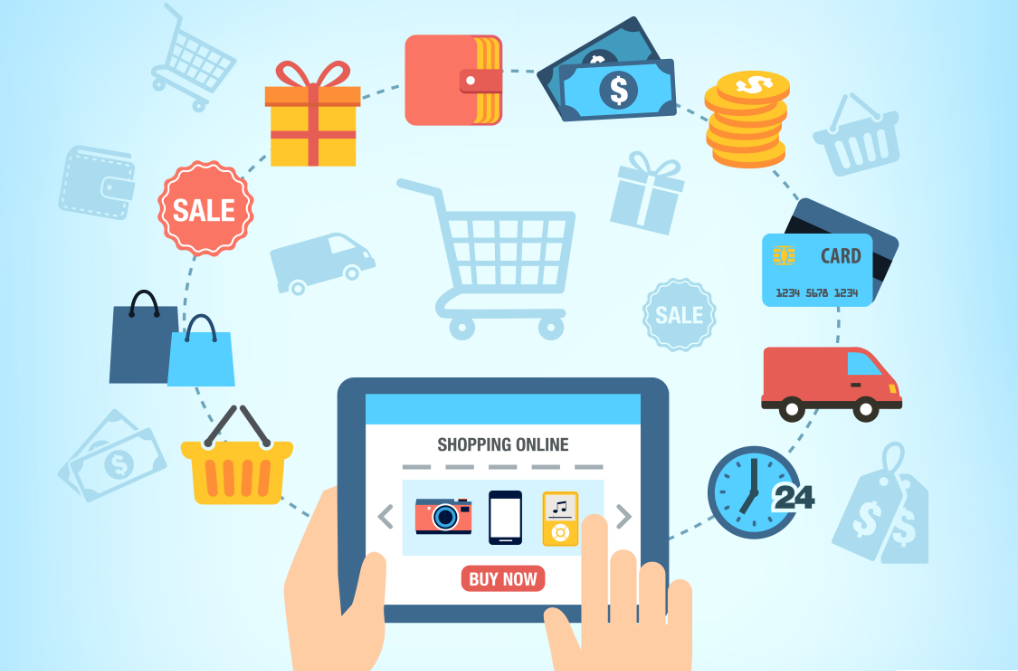
How Online Shopping Works – Step-by-Step India Guide 2025
Online shopping might feel like a dream come true, but there’s a lot of behind-the-scenes work that makes it all happen. Let’s take a closer look at the online shopping experience from the moment you click “Buy Now” to when your package arrives at your door:
Step 1: Browsing and Selection
It all kicks off when you hop onto an e-commerce site or app. You can either search for a specific item or explore different categories using filters like price, brand, color, and size. Once you spot something you like, you can dive into its description, check out images, read specifications, and see what other customers have to say through reviews and ratings to help you decide.
Step 2: Adding to Cart and Placing the Order
After you’ve picked out your product(s), it’s time to toss them into your virtual cart. On the checkout page, you’ll see the total cost, which includes taxes, delivery fees (if applicable), and any discounts you might have. This is also where you can enter coupon codes or special offers before you fill in your shipping information.
Step 3: Payment Methods
Now we move on to the payment stage. You have a variety of options to choose from, including UPI, debit or credit cards, digital wallets, net banking, or even Cash on Delivery (COD). Once your payment is processed or your order is confirmed (if you opted for COD), you’ll receive a confirmation through email or SMS.
Step 4: Order Processing
Next up, your order gets processed on the seller’s side. If the platform has its inventory, like Amazon’s warehouses, it’ll start packing your item right away. For marketplace models, the seller prepares the package and hands it over to the shipping partner.
Step 5: Shipping and Tracking
After your order is shipped, the logistics partner takes charge. You’ll get a tracking ID so you can keep an eye on your order’s status in real time. The package makes its way through various hubs and distribution centers before arriving in your city. Many platforms even provide estimated delivery dates based on your location.
Step 6: Delivery and Feedback
At last, your order arrives right at your doorstep! You might need to sign up for it, enter a one-time password, or confirm the delivery through a digital method. After your package is delivered, most platforms will ask for your feedback to help them enhance their quality and service.
This smooth process is all thanks to the clever combination of technology, logistics, and customer support. And if you run into any hiccups, customer service is always on hand to assist with refunds, replacements, or cancellations.
Why Online Shopping Is Here to Stay
Online shopping has evolved into more than just a trend – it’s become a way of life. Increasingly, shoppers are flocking to online platforms, drawn not just by convenience but also by the incredible value and variety they offer. Here’s why it’s so popular:
1. Convenience:
One of the biggest perks of online shopping is that it breaks free from the constraints of time and place. Whether you’re cozied up on your couch in your favorite pajamas or grabbing a quick order during your lunch break, online stores are available around the clock. You can shop during holidays, late at night, or even while you’re on the go, giving you the ultimate flexibility to purchase what you need whenever it suits you best.
2. Wider Selection:
Unlike brick-and-mortar stores that are limited by shelf space and local inventory, online platforms open up a world of options. From global brands to unique handmade items, you can browse an endless array of styles, sizes, colors, and features all in one spot. Those niche products and hard-to-find treasures are just a search away.
3. Better Prices:
E-commerce sites are always vying for your attention, which translates to better deals for you. With everything from flash sales to cashback offers and bulk discounts, online shopping is brimming with bargains that you might not find in physical stores. Plus, with handy tools like price trackers and coupons from sites like 99CashDeals, saving money has never been simpler.
4. Doorstep Delivery:
Why deal with the hassle of parking, on the doorstep? Online shopping makes it so easy! With hyperlocal delivery services, you can even get your essentials in just a matter of minutes. Whether you need same-day delivery or prefer to schedule a time that works for you, you can enjoy flexibility without sacrificing convenience.
5. Easy Comparisons:
Making comparisons is a breeze: If you’re stuck trying to decide between different products, online platforms have your back with handy comparison tools, side-by-side specifications, and access to countless customer reviews. You can dive into feedback, check out real user photos, and get a feel for the quality and durability of items before you buy something pretty rare in brick-and-mortar stores.
The boom in e-commerce has also sparked some exciting innovations in user interfaces, delivery logistics, and AI-driven personal recommendations, making shopping more straightforward and intuitive than ever.
Online Shopping vs. Traditional Shopping (Comparison Table)
| Feature | Online Shopping | Traditional Shopping |
| Convenience | 24/7 access from anywhere | Limited to store hours and location |
| Product Variety | Extensive selection across multiple categories | Limited to store inventory |
| Price Comparison | Easy with tools and apps | Manual and time-consuming |
| Customer Reviews | Available before purchase | Rarely available |
| Delivery | Home delivery with tracking | Immediate possession after purchase |
| Returns & Refunds | Often flexible, online process | Varies by store, may be complicated |
| Social Interaction | Minimal | Direct interaction with sales staff |
Smart Tips for Online Shopping
Shopping online is easy, but being a smart shopper takes a little planning. Here are some detailed tips to help you make the right choices:
1. Stick to Trusted Websites
When you kick off your online shopping, make sure to start with trusted and well-known sites like Amazon, Flipkart, Myntra, and Nykaa. These platforms have built solid reputations for offering genuine products, secure payment options, and helpful customer service. A quick way to check if a website is safe is to look at the URL – it should begin with “https://” and show a little padlock icon. This indicates that the site is encrypted and has better protection against data breaches. Steer clear of random online ads or unfamiliar links shared on social media; instead, download official apps or type the website name directly into your browser.
2. Compare Before You Buy
One of the best perks of online shopping is the ability to quickly compare prices and features across different platforms. Don’t rush into buying the first thing you find. The same product might be available for a better price elsewhere. Use price comparison tools like BuyHatke, PriceDekho, or Google Shopping to weigh your options. Also, keep an eye out for extra perks like exchange offers, bank discounts, free shipping, or warranty coverage. These little bonuses can enhance the value of your purchase.
3. Read Reviews Carefully
Customer reviews can provide you with valuable insights into a product’s quality, performance, and durability. Don’t just settle for the average star rating; take the time to read both positive and negative comments to get a well-rounded view of the product. Pay special attention to “Verified Buyer” reviews, as they tend to be more trustworthy. If a review includes photos or videos, they can help you visualize the product better before making a decision. Always be wary of overly generic or repetitive comments – they might not be authentic.
4. Keep an Eye Out for Fake Offers
Some websites try to attract users with deals that are just too good to be true. If you see a luxury item, like a brand-new smartphone, being sold for a tiny fraction of its original price, it’s probably a scam. These fake offers often throw around phrases like “Only 1 left in stock!” or “90% off today only!” to create a false sense of urgency. Don’t get swept up in the excitement – make sure to check the deal on the official brand website or use trusted comparison tools. Sticking to reputable platforms can help you avoid falling for these tricks.
5. Opt for Secure Payment Methods
When you’re making online payments, your security should always come first. Stick to well-known and secure payment options like UPI (through Google Pay, PhonePe, Paytm), credit or debit cards, or digital wallets like Amazon Pay. These services provide encryption and fraud protection. Try to avoid direct bank transfers to sellers, especially if the website or seller is unfamiliar to you. If you’re shopping on a new site for the first time, consider using Cash on Delivery (COD) if it’s an option. Always take a moment to review the payment page carefully before entering your details, and never share your OTPs or PINs with anyone.
6. Use Coupons and Cashback Offers
Why shell out the full price when you can snag some great savings with just a few clicks? Before you hit that checkout button, take a moment to hunt for coupon codes and cashback offers. Websites like 99CashDeals have a treasure trove of active promo codes for popular e-commerce sites like:
Amazon Discount and Coupon Codes
Myntra Deals and Coupon Codes
Ajio Discount and Coupon Codes
Nykaa Deals and Coupon Codes, and many others.
Don’t forget about digital wallets! Platforms like Amazon Pay, Paytm, PhonePe, and Google Pay often roll out exclusive discounts, especially during festive seasons and big sales. Plus, some apps even throw in extra cashback if you use their payment method. Just remember to check the terms and conditions, like minimum order values, expiration dates, or any category restrictions, before you apply those coupons.
7. Set a Budget Before You Shop
Sales, flash deals, and countdown offers can easily lure anyone into overspending. To keep impulse shopping at bay, it’s a good idea to set a clear budget before you dive into any e-commerce site. Knowing exactly how much you’re willing to spend helps you stay focused on what you need. Consider using budget tracking apps like Walnut, Spendee, or Money Manager to keep an eye on your spending as it happens. These handy tools categorize your expenses, point out any overspending habits, and even send you alerts when you’re getting close to your monthly limit.
Before you hit that “Place Order” button, take a moment to review your cart. Ask yourself: “Do I genuinely need this item, or am I just buying it because it’s on sale?” A quick pause can save you from feeling regret later on.
Dos and Don’ts of Online Shopping
Dos:
Compare prices before hitting “Buy Now.”
Before you click “Buy Now,” take a moment to compare prices. Don’t just go with the first price you find; costs can differ from one site to another. Use price comparison tools or check out a couple of websites manually before making your purchase. This small habit can lead to significant savings, especially when it comes to pricier items.
Use incognito mode to prevent dynamic pricing
Consider using incognito mode to dodge dynamic pricing. Some websites keep tabs on your visits and may raise prices based on your browsing history. By shopping in incognito or private mode, you can keep your search history under wraps and see more stable prices.
Read product descriptions and return/refund policies carefully
Make sure to read product descriptions and return/refund policies thoroughly. Don’t overlook the fine print! Check that the product aligns with your expectations by looking at the materials, sizes, features, and accessories included. Also, take a close look at the return or refund policy to steer clear of any nasty surprises later, especially for items that can’t be returned or are final sale.
Look out for bank offers, wallet deals, and flash sales
Keep an eye out for bank offers, wallet deals, and those exciting flash sales! Many banks and digital wallets like Amazon Pay, Paytm, and PhonePe roll out exclusive discounts or cashback on certain platforms. Plus, don’t forget to watch for flash sales that can snag you fantastic discounts, but only for a short time! Planning your purchases around these deals can help you save more.
Don’ts:
Don’t click on unknown links from emails or texts
Be cautious about clicking on unknown links in emails or texts. Phishing scams often come through email or SMS, leading you to fake websites that look like the real deal. Always avoid entering personal or payment details through links you don’t recognize. Instead, head directly to the retailer’s website to stay safe.
Never shop using public Wi-Fi without protection
Avoid shopping on public Wi-Fi without protection. Public networks found in cafes, malls, or airports aren’t secure, making it easy for hackers to intercept your sensitive information. If you need to shop while on public Wi-Fi, consider using a VPN (Virtual Private Network) for an added layer of security.
Don’t skip customer reviews or seller ratings
Don’t overlook customer reviews or seller ratings. Product photos can sometimes be deceiving. By reading customer feedback, you can get a better sense of the actual quality and performance of a product. Also, when shopping on marketplace platforms, check seller ratings to ensure you’re buying from a reliable source.
Don’t fall for fake urgency tactics like “Only 1 Left!”
Watch out for fake urgency tactics like “Only 1 Left!” Some e-commerce sites use these pressure tactics to rush buyers into making quick decisions. If you see messages like “Only 1 left in stock” or “Limited time offer,” take a moment to think it over and determine if the urgency is genuine or just a marketing ploy. Take your time and only purchase if the product truly meets your needs.
Understanding Online Shopping Platforms
Not all e-commerce websites are created equal. Each platform has its specialties, so knowing where to shop based on your needs can help you save both time and money. Here’s a quick overview of some popular categories and the best platforms for each:
1. Fashion and Lifestyle
- If you’re on the hunt for trendy clothing, footwear, accessories, or personal style essentials, fashion-focused platforms are where it’s at. They offer curated collections and exclusive launches that you won’t want to miss.
- For fashion enthusiasts, Myntra, Ajio, and Nykaa Fashion are the go-to spots. They boast a wide selection of both Indian and international brands, detailed size guides, and frequent style campaigns that keep things fresh.
- Younger, fashion-forward shoppers will find their match with Bewakoof, Urbanic, and H&M India, which cater to bold trends, niche collections, and styles backed by influencers.
2. Electronics and Gadgets
- When it comes to shopping for smartphones, laptops, smartwatches, or any tech gear, it’s crucial to focus on authenticity, warranty, and service support.
- Amazon, Flipkart, Croma, and Reliance Digital are the most trusted names in electronics. These platforms often provide exchange programs, brand-authorized warranties, and speedy delivery for larger appliances.
- Tata Neu and Vijay Sales also offer tech bundles, seasonal combo deals, and appealing EMI options on major devices.
3. Grocery and Daily Essentials
Looking to get your groceries or household essentials delivered right to your doorstep? Hyperlocal delivery apps and grocery e-commerce sites are designed for quick and fresh service.
- BigBasket, Blinkit, JioMart, and Zepto are leading the charge with options for same-day or even 10-minute deliveries. Plus, these platforms often have monthly subscription deals, combo packs, and a better selection of regional products.
4. Beauty and Skincare
When it comes to personal care and grooming, shoppers are on the hunt for authenticity, a diverse range of brands, and expert advice.
- Nykaa, Purplle, Tira, and Vanity Wagon have earned a reputation as reliable sources for skincare, cosmetics, wellness, and fragrances. These sites offer genuine products, frequent discounts, loyalty rewards, and in-depth product reviews.
Understanding which platform specializes in can help you get better deals, faster delivery, and a more satisfying shopping experience.
Key Trends Shaping Online Shopping in India
The landscape of online shopping in India has changed drastically over the past few years. What was once a luxury or convenience is now a preferred way to shop for millions. Here are the major trends driving this shift in 2025:
1. Mobile-First Shopping
Did you know that over 70% of online purchases in India are made using mobile phones? Thanks to affordable smartphones and budget-friendly data plans, shoppers are turning to mobile apps for their buying needs more than ever. E-commerce platforms have jumped on this trend, creating mobile-optimized apps that offer easy navigation, secure payment methods, and exclusive deals just for app users. Whether it’s picking up groceries or snagging the latest fashion, mobile-first shopping has become the standard.
2. Expansion to Smaller Towns
Smaller cities, often referred to as Tier 2 and Tier 3, are quickly becoming key players in the e-commerce boom. More than 40% of online orders now come from these areas. This surge is fueled by user-friendly interfaces in local languages, convenient payment options like cash on delivery and UPI, and enhanced last-mile delivery services. E-commerce platforms are customizing their logistics and offerings to better cater to customers in remote and semi-urban regions.
3. AI and Personalization
Artificial intelligence is changing the way we shop online. E-commerce platforms are now using AI to keep tabs on your browsing habits, purchase history, and personal preferences. With this information, they can suggest products, tailor your homepage, and send you targeted notifications. Plus, AI-driven chatbots have become a staple, handling customer questions in real-time and helping users navigate returns, cancellations, and replacements all on their own.
4. Sustainable Choices
More and more Indian consumers are becoming aware of environmental issues and are on the lookout for sustainable options. In response, brands are stepping up by offering eco-friendly products, using recyclable or biodegradable packaging, and promoting cruelty-free practices. From fashion to beauty and everyday items, there’s a noticeable shift towards ethical consumption. Online marketplaces are even creating dedicated sections for “sustainable shopping” to help customers make more conscious choices.
5. Fast Deliveries
The speed of delivery has turned into a key factor for customer satisfaction. Quick commerce services like Blinkit, Zepto, and Swiggy Instamart are promising deliveries in as little as 10 to 30 minutes, especially in metro areas. This trend is reshaping expectations, pushing traditional platforms to enhance their logistics and provide same-day or next-day delivery for a broader range of products. Whether it’s groceries, medicines, or gadgets, consumers now expect almost instant fulfillment.
The Best Times to Shop Online in India
Plan your purchases around these big online shopping events:
| Event | Time of Year |
| Republic Day Sale | January 24–26 |
| Holi Festival Offers | March |
| Summer Clearance Sales | May–June |
| Raksha Bandhan Deals | August |
| Independence Day Sale | August 12–15 |
| Ganesh Chaturthi Offers | September |
| Diwali Dhamaka Sale | October–November |
| Christmas/New Year Sale | December |
Final Thought
Online shopping in India is evolving faster than ever. With growing internet access, improved logistics, and smarter platforms, the digital marketplace is becoming the go-to option for millions. But to truly enjoy its benefits, consumers must shop smart.
Stick to genuine platforms, read the fine print, and don’t fall for deals that look too good to be true. Use the tips in this guide to become a smarter, safer, and more confident online shopper. As innovation continues and online retail becomes even more immersive, staying informed is your best advantage.